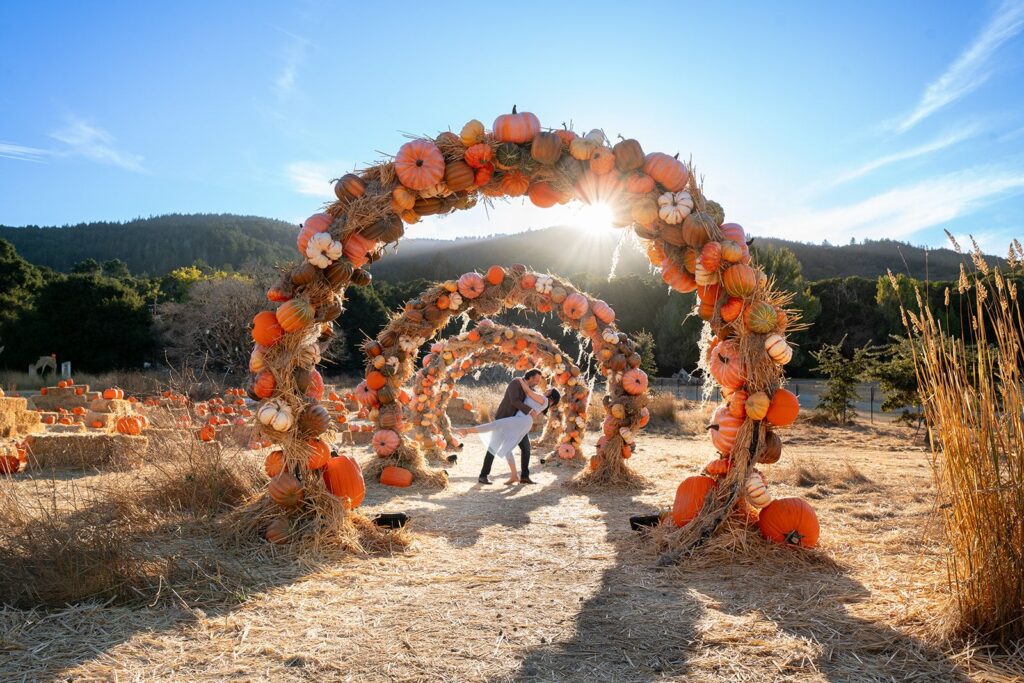
Flying a photographer out to a new city or a garden they’ve never stepped foot in sounds risky on paper. No test shoot, no walkthrough months in advance, just one afternoon to get it right. Yet some of the most striking engagement galleries come from exactly this setup.
The difference between a strong destination gallery and a flat one rarely comes down to luck. It comes down to how the photographer reads a space the moment they arrive, and how quickly they turn that reading into a plan. Couples who choose a location purely for its beauty still need someone behind the camera who can adapt on the spot.
A photographer who shoots the same three parks every weekend can fall into habits. Same angles, same poses, same backdrop choices repeated over and over. New ground forces a different kind of attention.
Arriving somewhere unfamiliar means the photographer has to actually look at the space instead of running through muscle memory. That fresh eye often produces more original compositions than a location the photographer has shot fifty times before.
A skilled destination engagement photographer treats the first twenty minutes on site as reconnaissance, not shooting time. Walking the grounds, checking where the sun sits, and noting textures like stone walls, tree lines, or open fields all shape the plan before a single frame gets taken.
Light is the one variable a photographer can’t fully control in advance. Weather apps and sun position calculators help, but nothing replaces standing in a space and watching how shadows fall in real time.
Experienced photographers build a fast mental checklist the moment they step onto new ground:
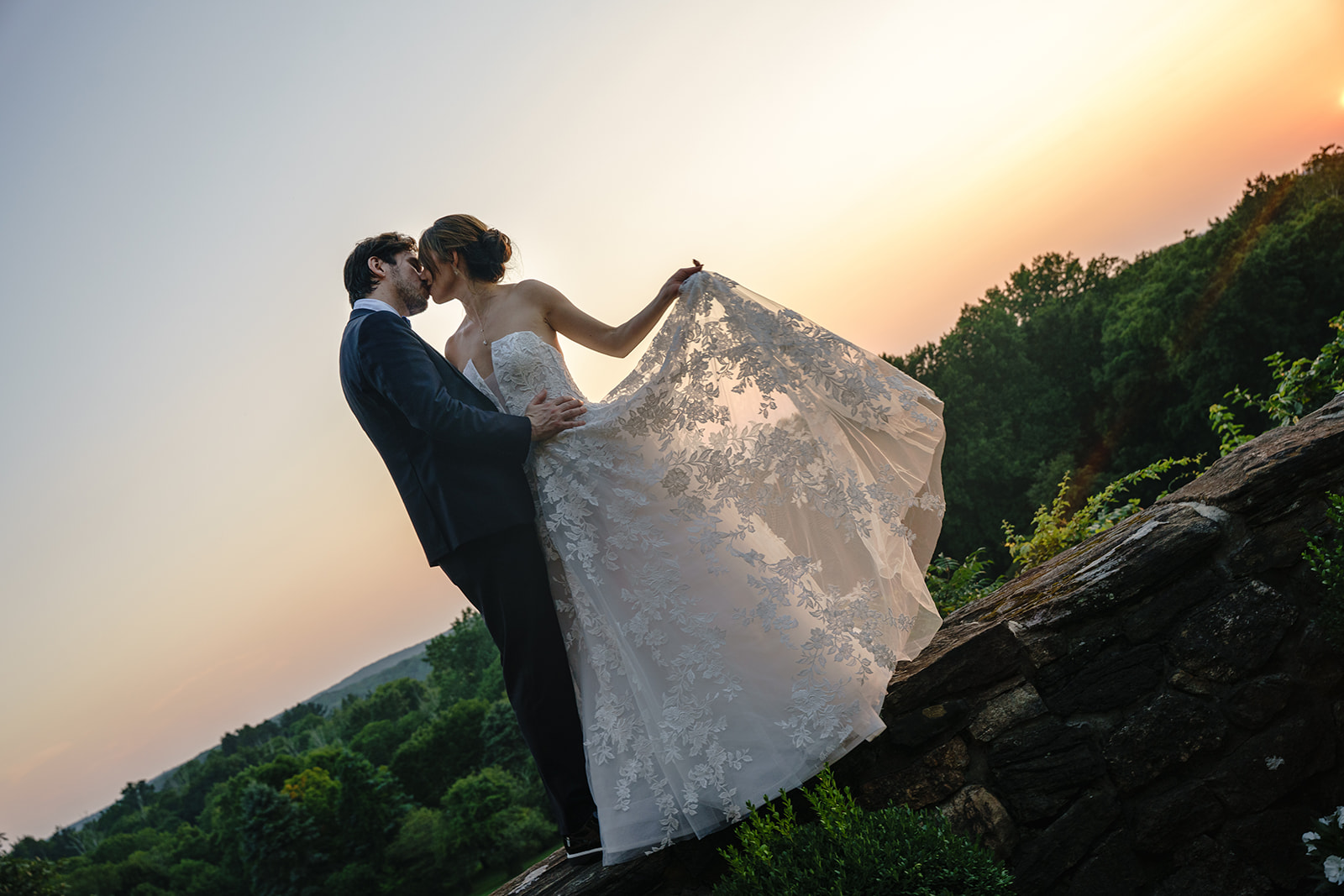
Arriving at 2 pm doesn’t tell a photographer much about what the light will look like at 4pm, and that gap matters. A smart photographer checks where the sun will sit during the real shoot window, not just the moment they walk onto the property. Harsh overhead light on arrival can soften into something warm and golden an hour later, so timing the plan around that shift, rather than reacting to whatever light shows up first, makes a real difference in the final gallery.
Trees, buildings, and archways all throw shade differently depending on the hour, and that shade moves faster than most people expect. Spotting it early, before anyone’s squinting into direct sun, gives a photographer somewhere to fall back on without breaking stride mid-session. A few minutes spent scanning the tree line on arrival often saves an entire portrait segment later in the afternoon.
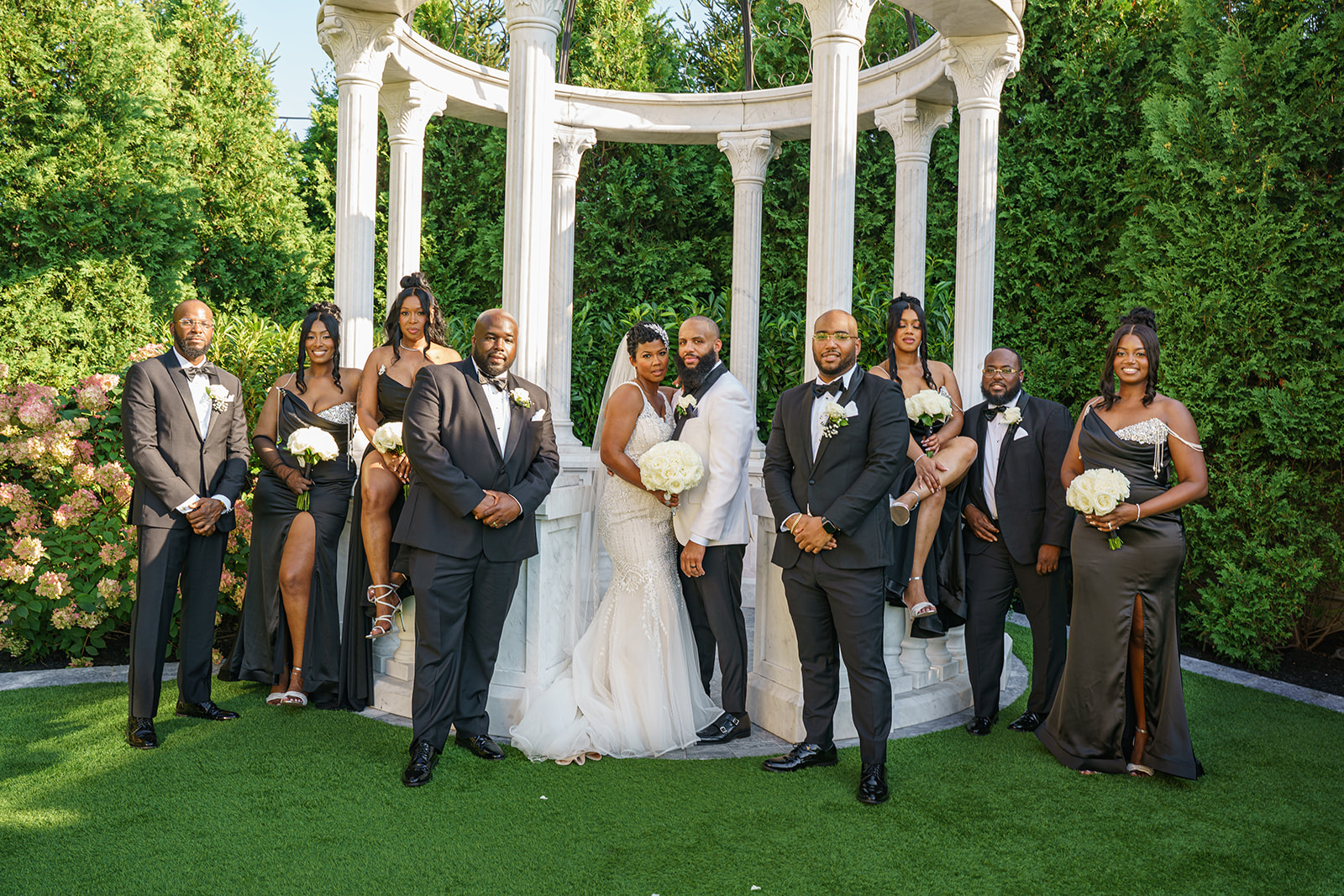
A sprawling lawn calls for a completely different approach than a narrow courtyard or a tight garden path. Wide open spaces give room to play with distance, movement, and scale, while tight spots demand closer framing and simpler backgrounds to avoid visual clutter. Reading that layout within the first few minutes shapes nearly every framing decision that follows for the rest of the session.
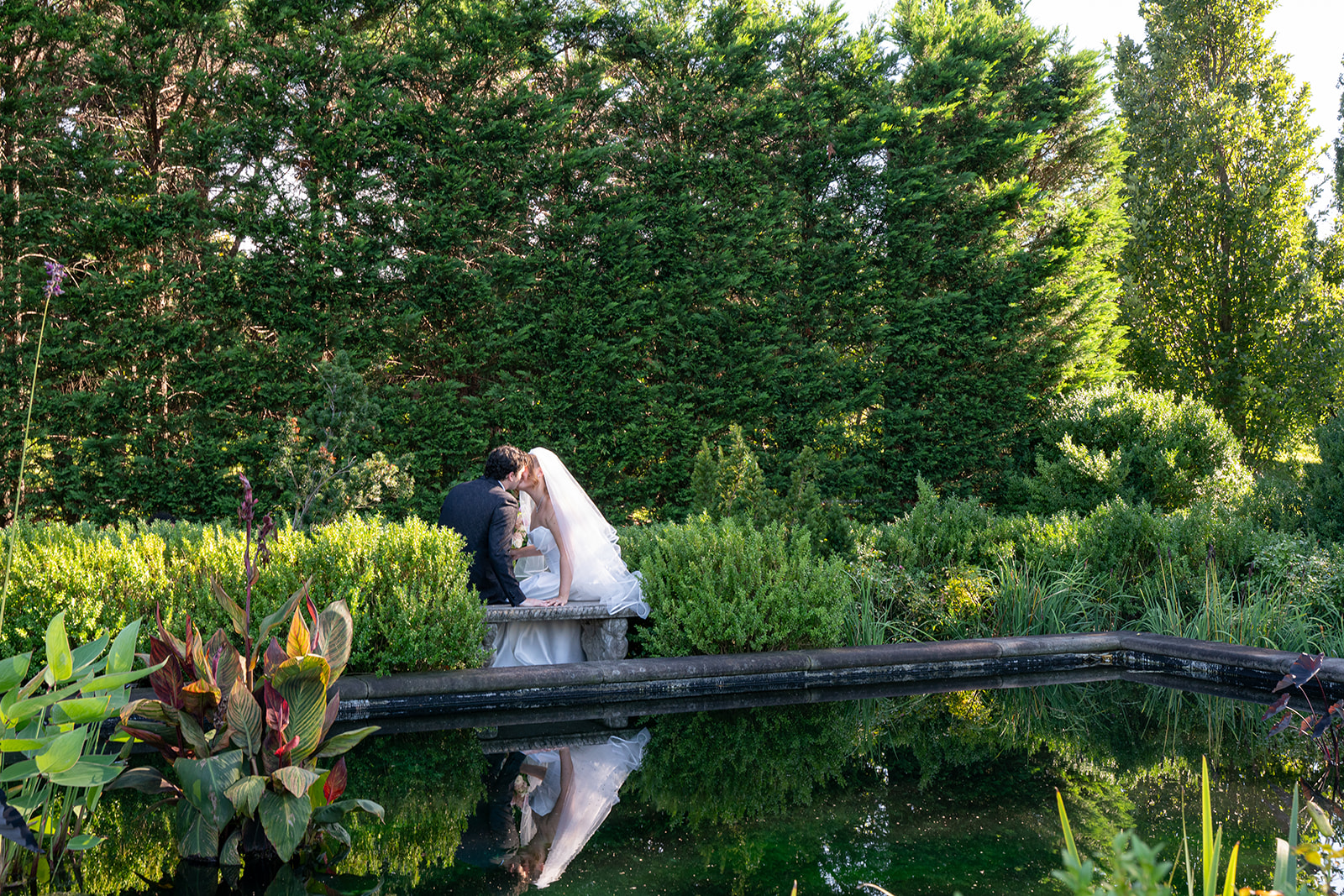
Water, glass storefronts, and even pale stone can bounce usable light back onto a couple’s faces, softening shadows without any extra equipment. A photographer who notices a nearby pond, a puddle, or a glass building early often ends up using that reflected glow later in the shoot, sometimes in ways the couple never even realizes added to the final look.
This kind of fast reading only comes from repetition. A photographer who has shot dozens of unfamiliar locations develops instincts that a newer shooter simply hasn’t built yet.
Weak destination photography usually happens when a photographer arrives with a fixed shot list and tries to force the location to match it. Strong photography does the opposite. It lets the space suggest the story.
A rope swing under an old tree, a grand staircase, or a quiet garden gate all carry a different feeling, and the best photographers let that feeling guide the couple’s poses instead of overriding it. A field bathed in late afternoon sun calls for movement and laughter. A quiet stone courtyard calls for something slower and more intimate.
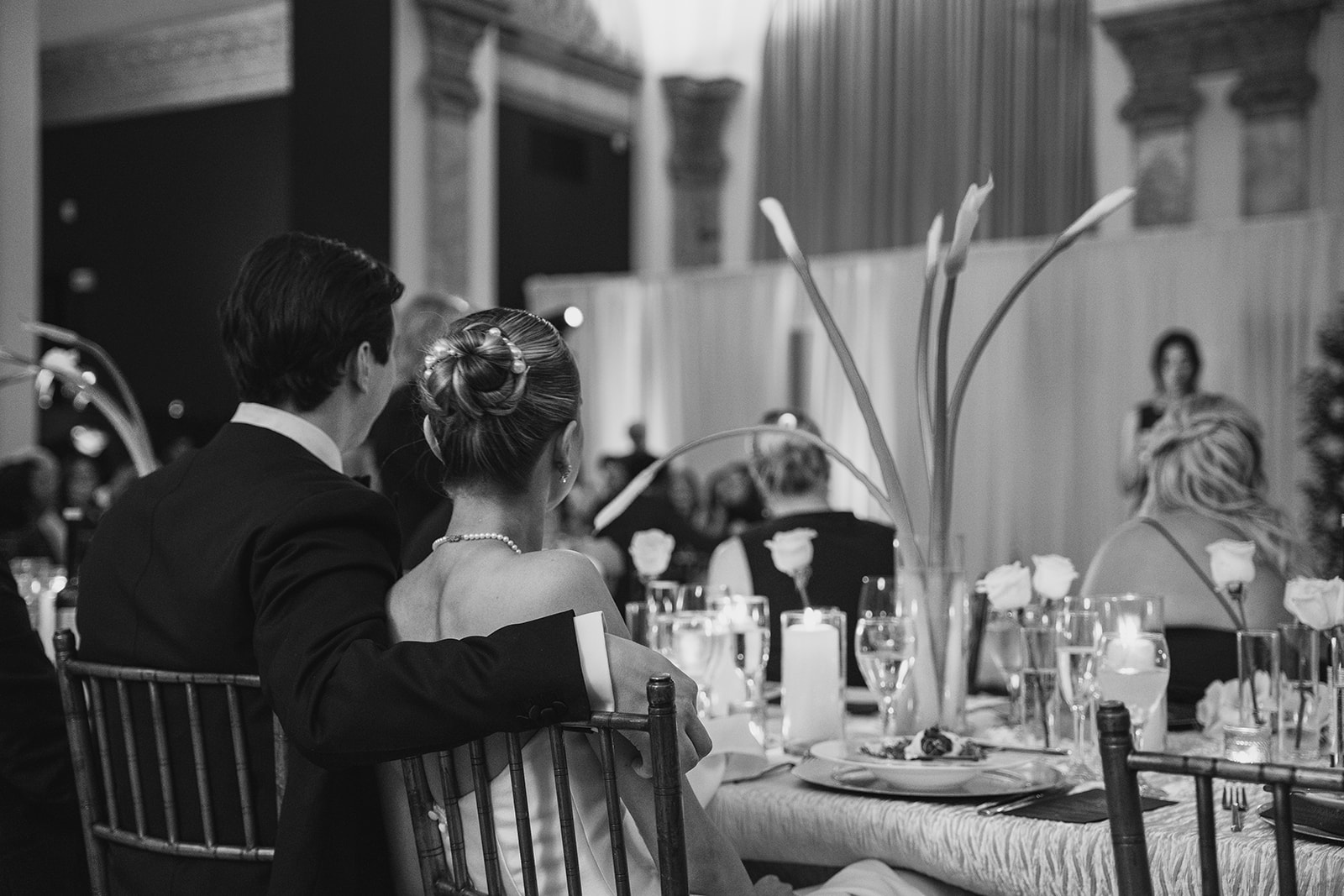
This adaptability is part of what makes couple photography feel authentic rather than staged. When the environment and the emotion match, the images read as real moments instead of posed setups dropped into a pretty backdrop.
Shooting somewhere new isn’t just a challenge for the photographer. Couples often feel a little more nervous too, especially if neither person has visited the location before the shoot.
A confident photographer eases that tension by moving with purpose. Pointing out a great spot right away, giving clear direction, and keeping the pace relaxed all signal that the day is under control, even if the location is brand new to everyone involved.
Some habits that help build that trust fast on unfamiliar ground:
Couples pick up on confidence quickly. A photographer who seems calm and decisive, even in a location they’ve never worked before, puts everyone else at ease too.
New locations come with more unknowns than familiar ones. Weather can shift, a permit might restrict certain areas, or a spot that looked perfect in photos online turns out to be closed for renovation.
Photographers who handle unfamiliar locations well always build in flexibility. That might mean scouting two or three backup spots within walking distance, or having a plan for moving indoors if weather turns without warning. The goal is never getting caught without options.
A strong backup plan also covers timing. Golden hour shifts by season and by location, and a photographer working somewhere new has to double check sunset times rather than relying on habit from a familiar city. Getting that timing wrong can cost a couple their best light of the entire session.
A few direct questions can reveal a lot about how a photographer handles new ground before the actual shoot day arrives.
These questions tend to separate photographers who genuinely thrive on new locations from those who only look comfortable shooting the same familiar spots.
Turning an unfamiliar location into a strong gallery isn’t about luck or a perfectly scouted plan months in advance. It comes down to fast observation, flexibility, and a photographer who lets the space guide the story instead of fighting it. The best results often happen when the photographer treats a new location as an opportunity rather than a risk.
Silence By K Photography works with couples across New York, New Jersey, and beyond, bringing that same fast-reading, adaptable approach to unfamiliar locations near and far. Photographer Tanel Leigher blends editorial style with genuine, candid storytelling, whether the setting is a familiar NYC rooftop or a garden neither of you has stepped foot in yet
Do photographers need to visit a location in advance to get good results?
Not always. Many experienced photographers can read a new space quickly on the day of the shoot and still produce a strong, well composed gallery.
How much does weather affect a destination engagement shoot?
Weather plays a real role, which is why photographers who work well in new locations usually build backup plans for shade, indoor options, or timing shifts.
Should couples pick the location or let the photographer choose?
This works best as a collaboration. Couples often know what feeling they want, while the photographer can suggest specific spots within that setting based on light and layout.
Is a destination shoot more expensive than a local one?
Costs vary based on travel and logistics, but many couples find the added expense worth it for a location that holds real meaning to them.
What should couples bring to help a photographer unfamiliar with the area?
Sharing photos of the planned location beforehand, along with any permit details or access restrictions, helps the photographer prepare even without a prior visit.