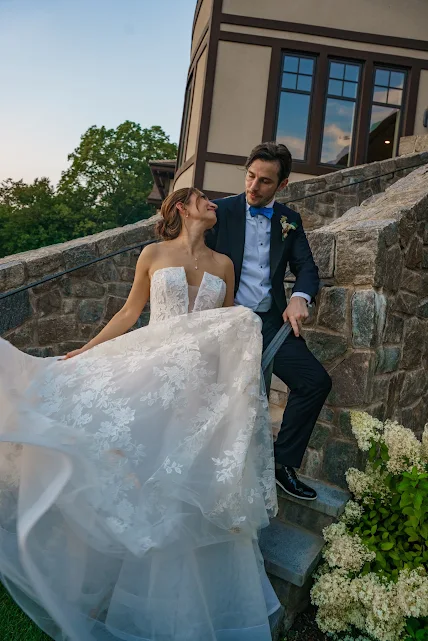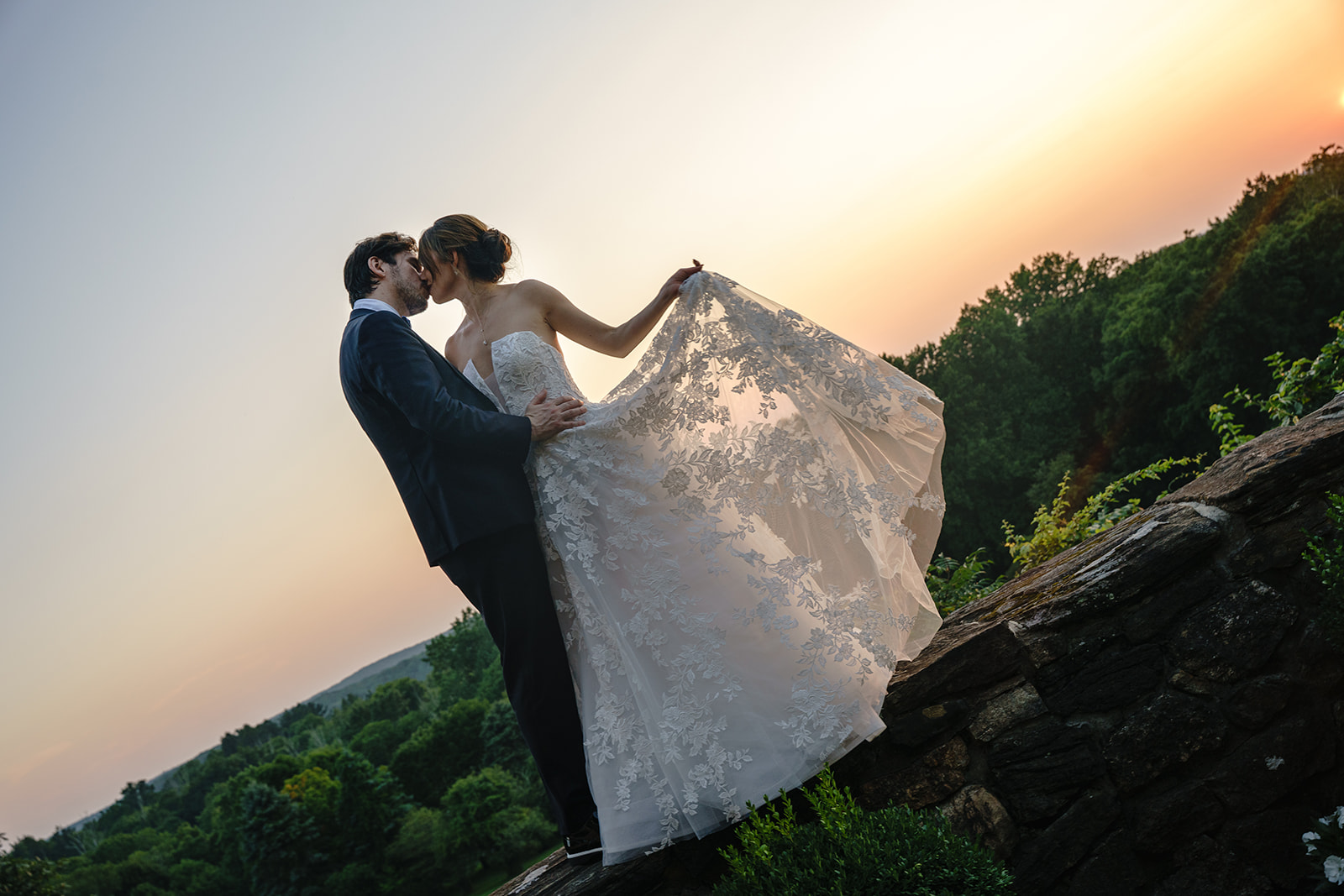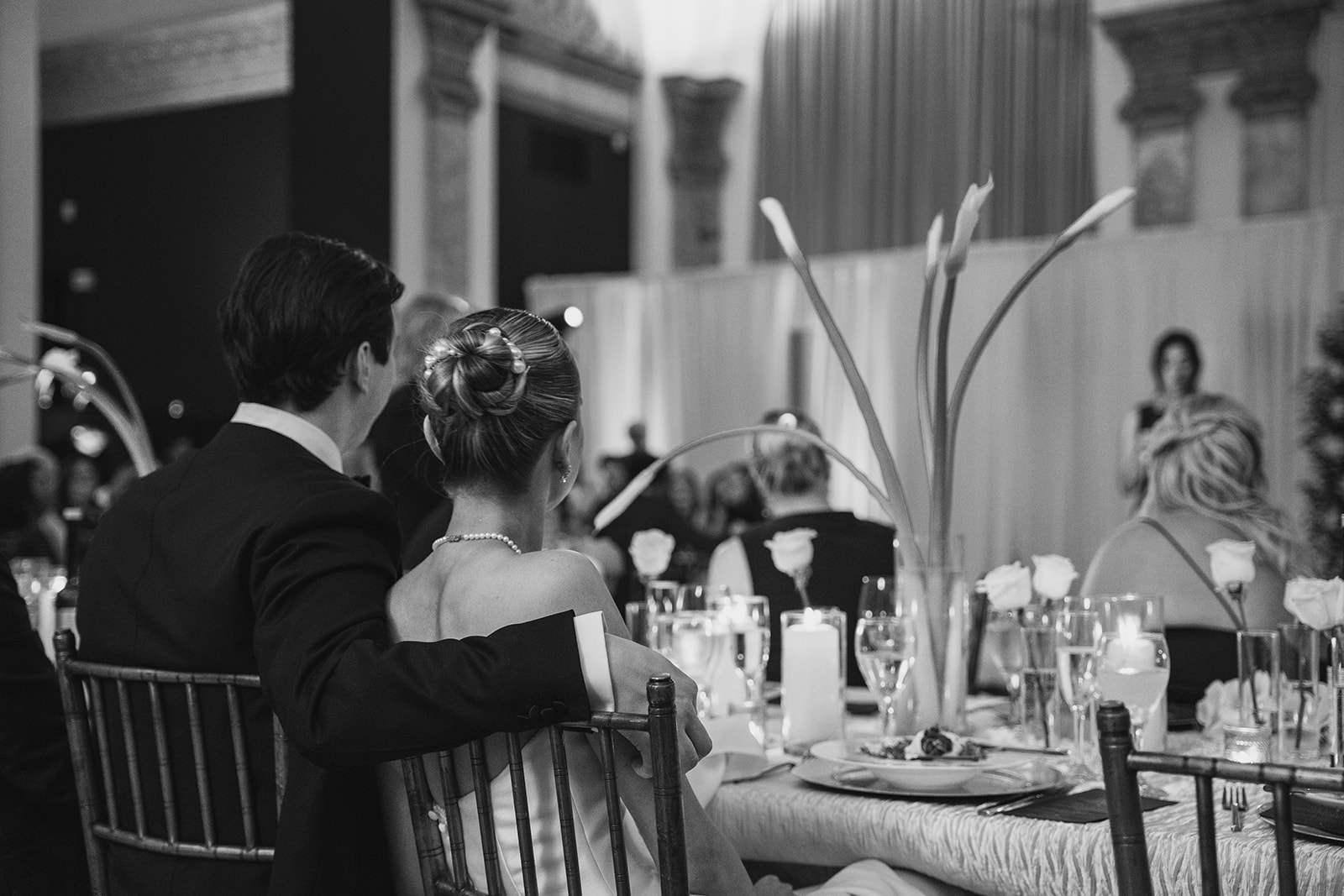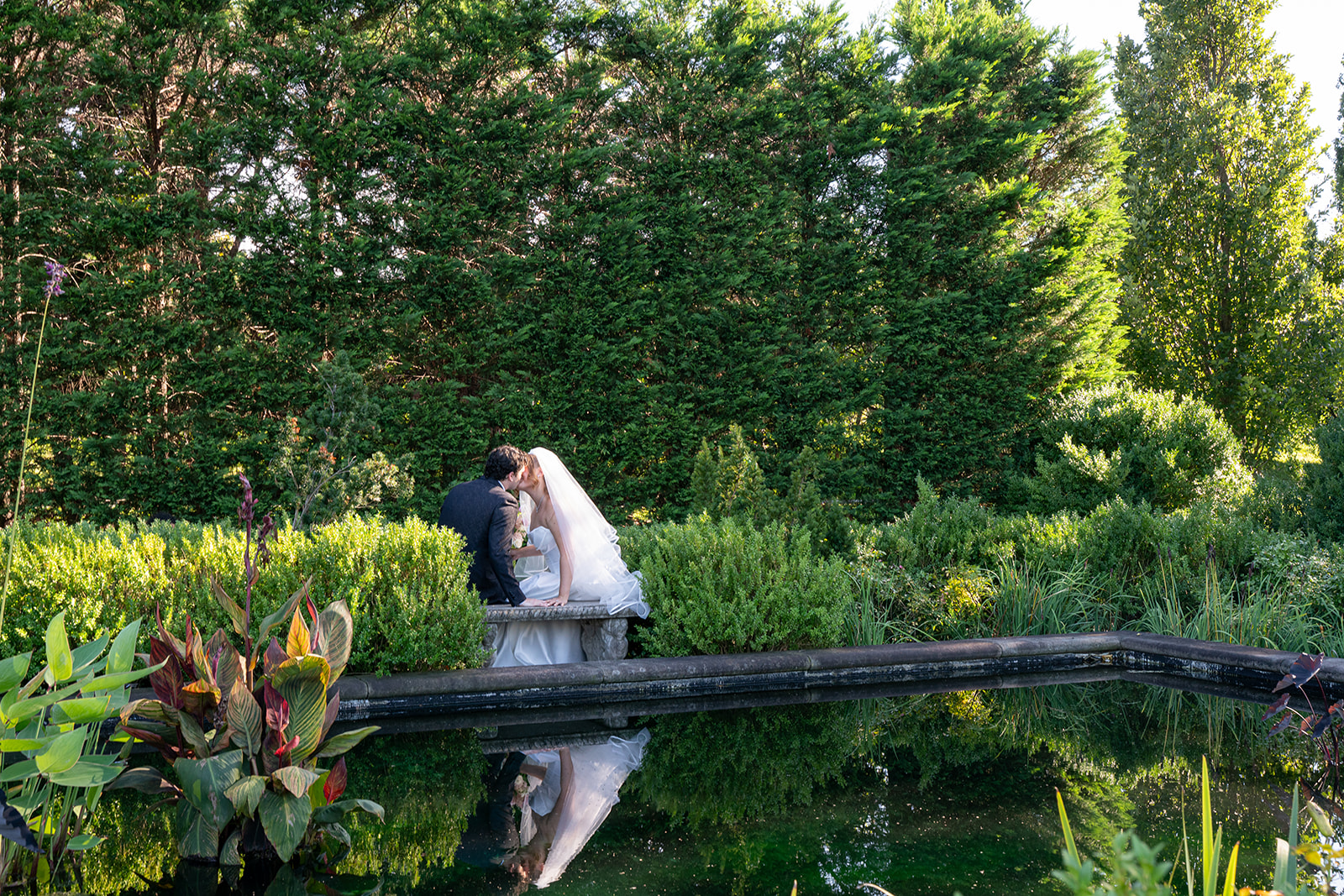
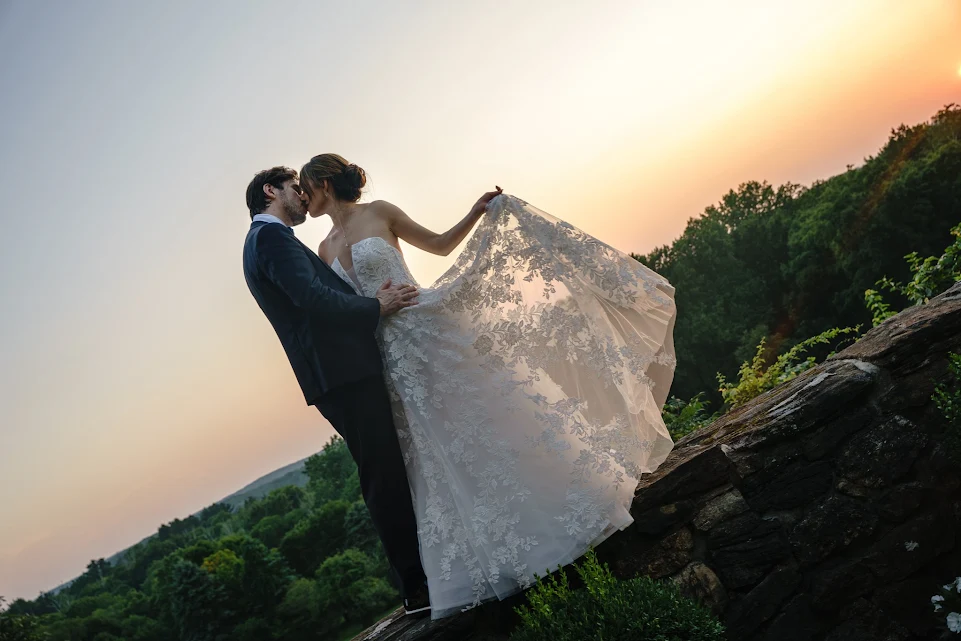
Every wedding day runs on a schedule, but the sun has never followed anyone’s timeline. Golden hour arrives when the light drops low and warm, and once it passes, no amount of editing can bring it back. For couples, that short stretch often decides whether the most personal portraits of the day look ordinary or unforgettable in their wedding photography.
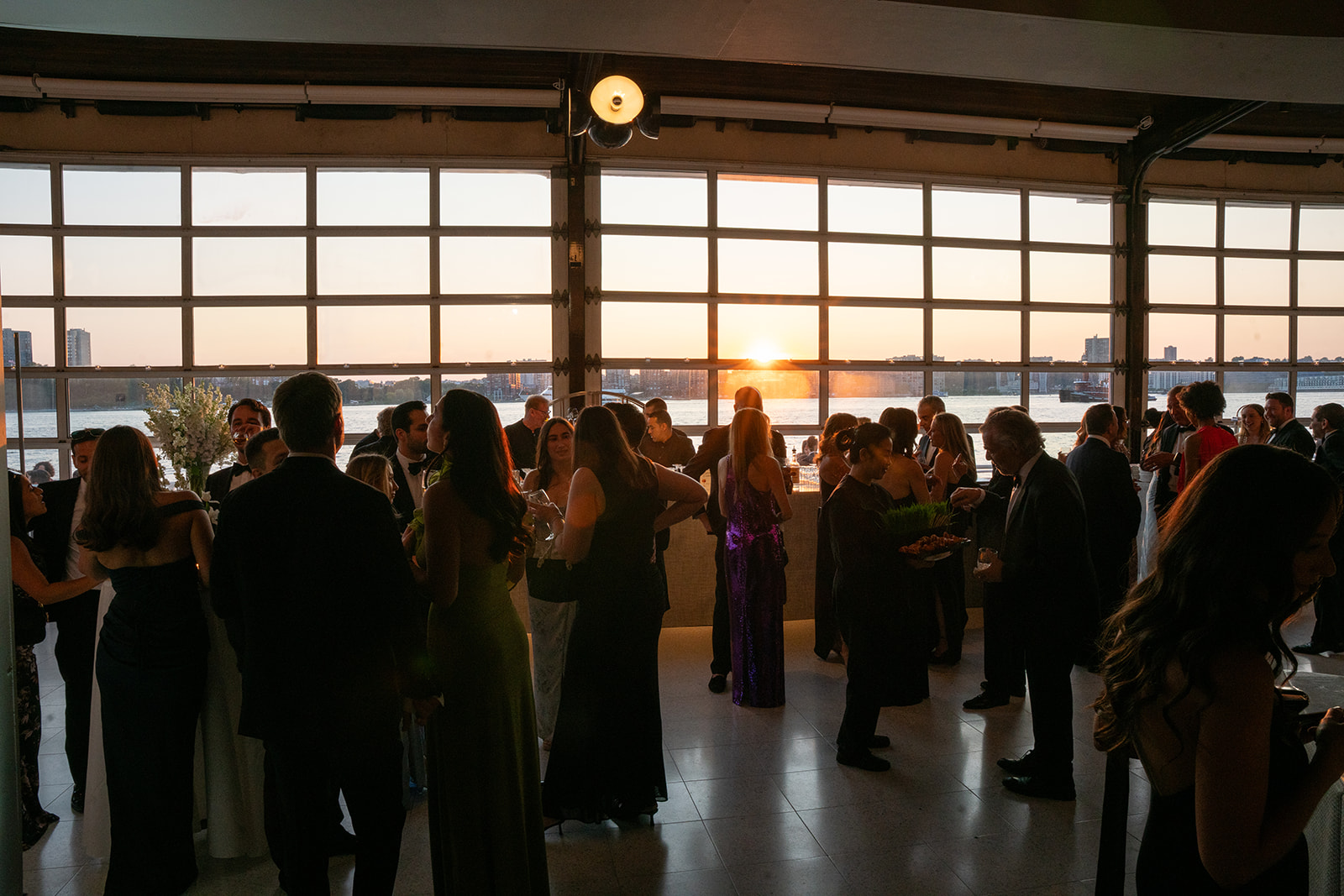
Golden hour is the period just before sunset when sunlight turns soft, warm, and golden. It begins roughly an hour before the sun goes down, and the most flattering light usually lasts for the final twenty to thirty minutes of that stretch.
During this time, shadows lengthen, skin tones glow, and everything in the frame picks up a warmth that filters cannot truly copy. Because the window is so brief, it rewards couples who have planned for it in advance.
Most couples build their wedding day around the ceremony, the dinner, and the dancing. The light rarely enters the conversation, even though it shapes the look of every photo taken that day.
Golden hour portraits also happen away from the crowd. For a few quiet minutes, the two of you step outside with your photographer, breathe out, and finally have a moment to yourselves after hours of greeting guests.
Those minutes often produce the images couples return to most, and they tend to end up in a few familiar places.
Golden hour portraits are usually the first images couples choose to enlarge and frame. The warm light gives them a timeless quality that looks just as good on a wall ten years later as it did on the day itself.
Many couples also revisit these prints each anniversary, since they capture the couple at their happiest and most relaxed.
Sending a sunset portrait with a thank you note feels far more personal than a standard group photo. Parents and grandparents often keep these cards for years, and some place them on the fridge or display them in the living room.
A golden hour portrait is often the image couples post first, and it tends to collect the most attention from friends and family. The glow of the light makes the photo stand out in any feed, which keeps it worth sharing long after the wedding is over.
Couples who invest in a luxury wedding photographer are usually looking for images with a polished, editorial feel. Golden hour supports that look naturally, since the light does much of the work that a studio setup would otherwise need.
Backlit glow, soft silhouettes, and warm skin tones all come from timing rather than equipment. That is why the window matters to the couple as much as it does to the photographer.
Sunlight cannot be rescheduled, and a wedding cannot be restaged the next evening. If cocktail hour runs long or dinner service starts early, the good light can slip away before anyone notices.
Here is what couples typically give up when golden hour is missed.
Soft, warm light gives portraits a film-like quality that is very hard to create at any other time of day. Once the sun drops below the horizon, the light turns flat, and that glow cannot be added back through editing.
The portrait break is often the only calm moment of the entire day. Without it, couples can go from the ceremony to the reception without a single minute alone, which many of them regret later.
Gardens, skylines, and open fields all look their finest in low, golden light. Missing the window means the setting that couples spent months choosing may never look quite that good in their photos.
The images taken during this window are frequently the ones couples pick for their album covers and framed prints. When the window is missed, those standout shots are simply not there to choose from.
Tanel Leigher runs Silence ByK Photography in New York City and is a Brooklyn native who approaches every wedding with the mindset that the moment only happens once. She shows up early, reads the room quickly, and knows when the light is about to shift.
She works with couples across New York, New Jersey, and destination locations to build a schedule that leaves room for golden hour instead of hoping it fits in. When the time comes, couples are pulled aside at the right moment without any scrambling or stress.
Galleries are typically delivered within one to two weeks, so couples can relive that sunset moment while the memory is still fresh.
A little planning goes a long way, and most of it takes only a few minutes. Couples who follow these steps tend to walk away with the best results.
Sunset shifts noticeably from one season to the next, so the date matters more than most couples expect. Ask your photographer for the exact time as soon as the venue is confirmed, then check it again a week before the wedding.
Set aside fifteen to twenty minutes in the reception timeline and label it clearly. When the time is written into the schedule, it is far less likely to be swallowed by a long toast or a delayed dinner service.
Let the coordinator, the planner, and the wedding party know about the plan ahead of time. That way nobody is confused when the two of you step outside in the middle of cocktail hour.
Choose attire and accessories that are comfortable to walk and move in, since golden hour portraits often involve some walking and a few candid moments. A long train or tight shoes can slow things down when the light is changing quickly.
Couples who follow quick directions and skip the overthinking almost always end up with more natural portraits. The photographer can see how the light is moving, so a small adjustment in position often makes a big difference to the final image.
Couples who arrive relaxed and ready to move quickly usually get the best results. A professional wedding photographer can only work with the time that the schedule allows, which makes the couple’s planning just as important as the photographer’s skill.
Long after the cake is eaten and the playlist is forgotten, golden hour portraits are often the images couples still reach for. The warm light and the quiet, private mood give them an emotional weight that few other photos from the day can match.
They become the pictures that hang in the hallway, sit on the desk, and get passed around at anniversaries.
Couples who want their wedding day light protected with real care can reach out to Silence ByK Photography through the website or by phone. Whether the celebration is an intimate ceremony or a large destination wedding, the same attention to timing and light applies from the first frame to the last.
The light during this window is soft, warm, and flattering, and it cannot be recreated once the sun has set. It also gives couples a calm, private moment together during a busy day.
Golden hour begins about an hour before sunset, and the most flattering light usually falls in the last twenty to thirty minutes. Most couples only need fifteen to twenty minutes of that time for portraits.
The light shifts back to flat and ordinary within minutes, and the portraits will look noticeably different. Your photographer can still create beautiful images, but that specific glow cannot be added afterward.
Yes, because a short break in the reception schedule costs very little and protects some of the most loved images from the day. Planning it early with your photographer makes it easy to fit around dinner and toasts.
Yes, winter sunsets happen earlier in the day, so golden hour often lines up with cocktail hour instead of the late evening.